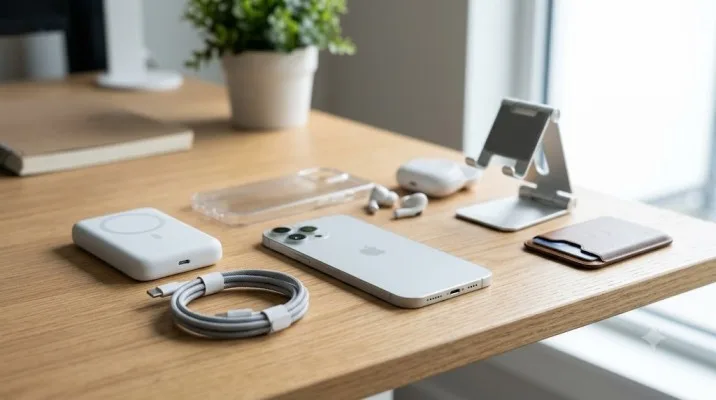
I have a habit of buying new chargers every time I get a new phone. Sometimes it is worth it. Sometimes I end up with a drawer full of things that do not work as promised.
When I picked up the iPhone 17, I heard about the new Qi 2.2 standard. The claim was 25W wireless charging. That is a solid jump from the 15W I was used to. But I have been burned before by wireless charging speeds that look good on paper and fall flat in real life.
So I decided to test a handful of Qi 2.2 fast wireless chargers for the iPhone 17 myself. I wanted to know which ones actually deliver and which ones just slap a number on the box.
The First Thing I Learned About Qi 2.2
I did not understand the difference between Qi 2.2 and MagSafe at first. I assumed if it had magnets, it would give me the full speed. That is not exactly how it works.
Read Also: Best iPhone Air Slim Cases: 9 Lightweight Covers That Don’t Add Bulk
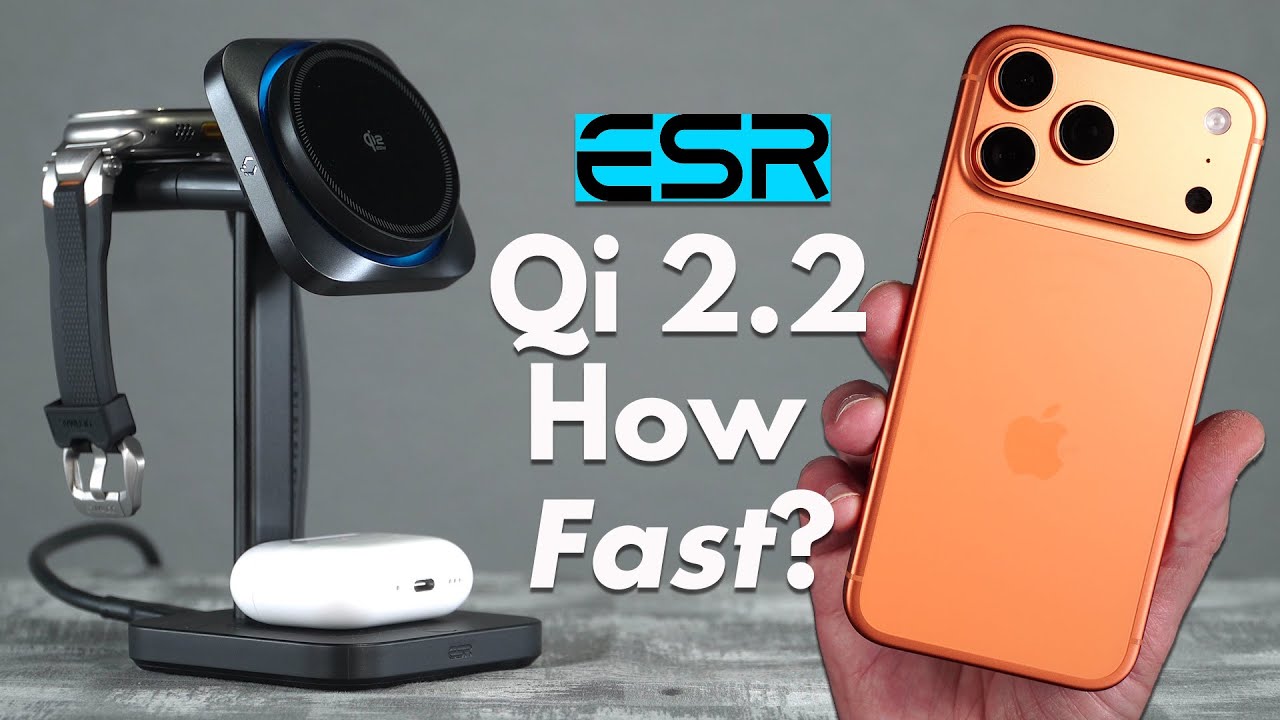
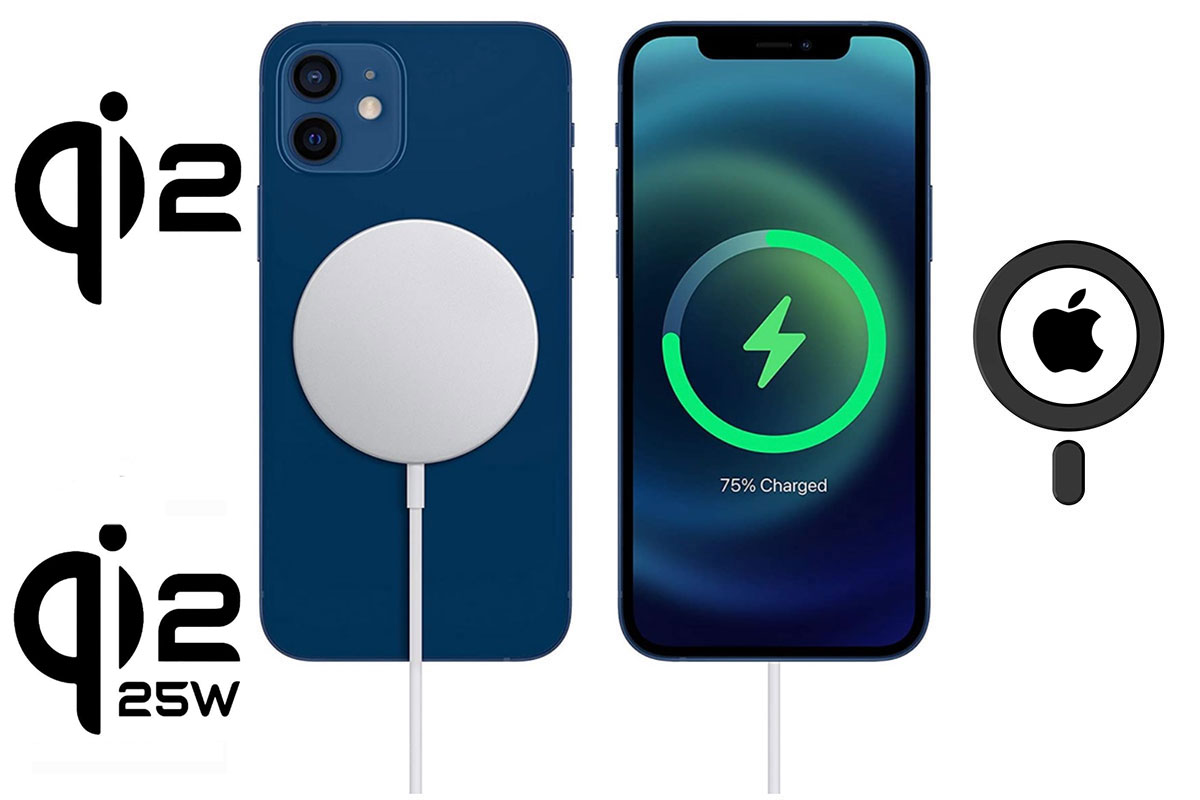
Qi 2.2 is the open standard. Anyone can build a charger around it. MagSafe is Apple’s version. The magnets line up the same way, and the charging speed is almost identical now. But the certification is different.
Here is what matters for you. If you buy a Qi 2.2 charger that is certified, it will magnetically snap onto your iPhone 17 just like an Apple-branded one. And it will give you the 25W speed, provided the charger has proper cooling.
I learned the cooling part the hard way.
My First Test Did Not Go Well?
I bought a cheap Qi 2.2 charger from a brand I had never heard of. It was half the price of the name-brand ones. The box said 25W. The magnets felt fine.
I put my iPhone 17 on it at 10% battery. For the first ten minutes, it charged fast. I was impressed. Then I felt the charger. It was hot. Not warm. Hot. The phone itself was warm too.
By the 15-minute mark, the charging had slowed down noticeably. I checked the charge level. It had only gained a few percent in that last five minutes. The phone had throttled the speed to protect the battery.
Total charge time from 10% to full took over two hours. I basically paid for a 25W charger that performed like a 10W charger after the first few minutes.
That is when I realized cooling is not a nice-to-have. It is essential.
The Anker MagGo Changed My Mind
After the cheap charger fizzled, I borrowed an Anker MagGo 3-in-1 from a companion who had been utilizing it with his iPhone 17 for a few weeks. He told me it never got hot. I was skeptical. I tried it the same way. Phone at low battery. Let it run.
This time, the charger remained cool. The phone remained cool. The charging speed did not drop off. I went from 10% to 50% in approximately 27 minutes. Full charge took around 90 minutes.
You Must Also Like: How to Fix Accessory Not Supported On iPhone?
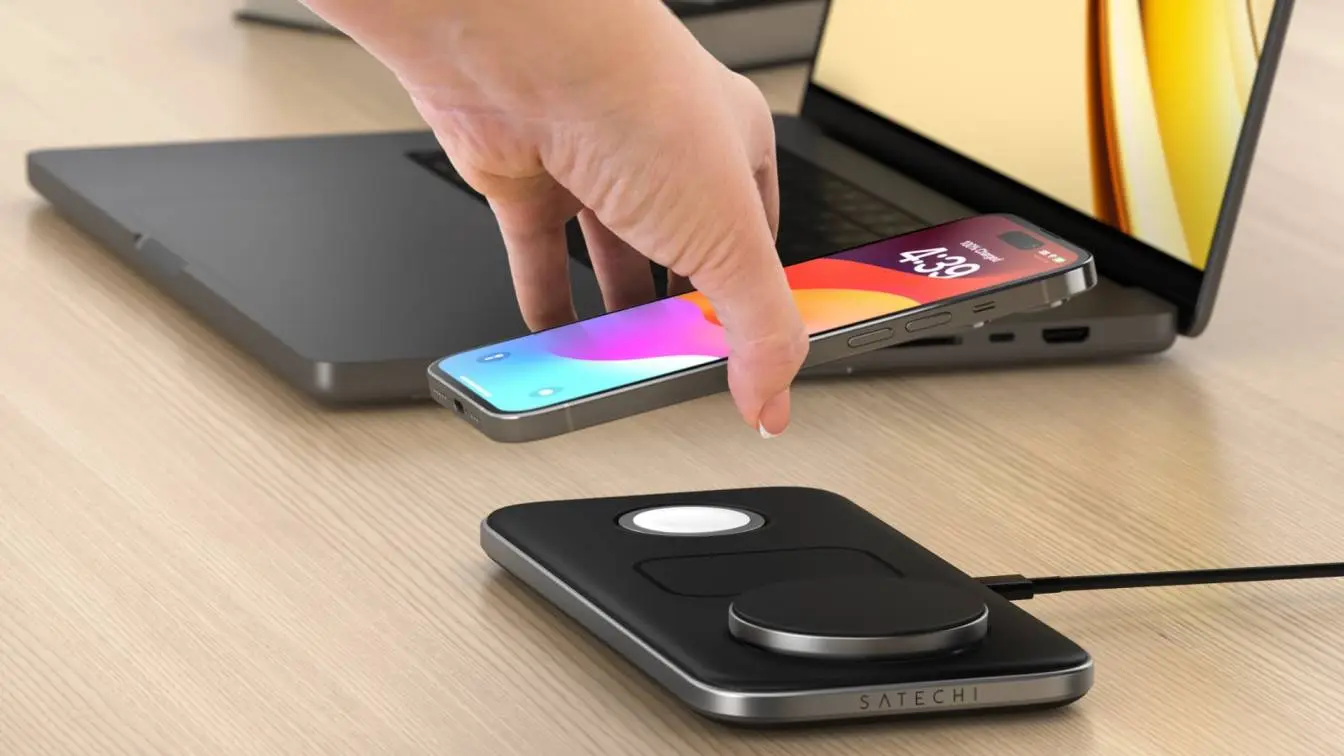
What shocked me was how well it dealt with different gadgets. I had my iPhone on the primary cushion, my Apple Observe on the side, and my AirPods case on the back. The iPhone still got the full 25W. The other two charged at their typical speeds. No warm issues.
I finished up buying my possess. It presently sits on my nightstand. I like that I can tilt the phone into StandBy mode and utilize it as a clock without stressing almost it falling over. The attractive hold is solid sufficient that I have thumped it incidentally a few times, and it remained put.
If you as it were need one charger for your nightstand or work area, this is the one I prescribe. It fair works. No fuss.
The Car Charger That Really Handles Heat
I live in a put where summers get hot. Remote charging in the car has continuously been disappointing for me. The phone runs GPS, plays music, and sits in coordinate sun. Include a charger to that blend, and the phone as a rule moderates charging to a slither after ten minutes.
I attempted the ESR Qi2 Car Charger with CryoBoost since I saw somebody specify the fan in a gathering post. I thought it might be a contrivance. It is not. The charger has a little fan built into the back.
It pulls warm absent from the phone and the charging coil. I tried it on a 32°C day. I had the phone running Google Maps and spilling a podcast. The sun was hitting the windshield directly.
The phone remained cool to the touch. The charging speed never dropped. I went from 30% to 80% amid a 40-minute drive. That has never happened for me with any other car charger. The fan makes a delicate commotion.
You can listen it if the car is quiet and the music is off. But with the motor running or any sound playing, it disappears. If you utilize remote charging in the car, this is the one to get. I have attempted three others over the a long time, and none of them worked in summer warm.
The Premium Option That Feels Different
I also tested the Nomad Stand One. It is expensive. I delayed to indeed attempt it since I did not need to like something that costs that much.
But the construct quality is discernible. The stand is strong metal. It is overwhelming. When I drag the phone off, the stand remains put. I do not have to hold it down with my other hand. That sounds like a little thing, but after utilizing it for a few days, I realized how much that matters.
Charging speeds were reliable. The coil arrangement is exact. I never had to squirm the phone to get charging to begin. It fair connects.
The drawback is the cost. You are paying for materials and plan, not fair charging speed. If you care approximately how your work area looks and you need something that feels considerable, it is worth considering. If you fair need the speediest charge for the least cost, this is not the one.
The Botch I Made With Control Adapters
I need to say this since I squandered two days disappointed with a charger that turned out to be fine. I bought a Qi 2.2 charger and stopped it into an ancient USB-C connector I had from an iPad. The charger worked, but it was moderate. I thought the charger was flawed. I nearly returned it.
Then I checked the connector. It was as it were 20W. The charger required at slightest 30W to hit 25W. I swapped it for a 35W connector I had from a portable workstation, and the speed doubled.
Most Qi 2.2 quick remote chargers for the iPhone 17 do not come with a divider connector. You require to supply your claim. If you utilize one that is underpowered, the charger will work but it will never reach full speed.
Check your connector some time recently you fault the charger. That would have spared me a parcel of time.
The Case Problem I Did Not Expect?
I use a thin magnetic case on my iPhone. I have used similar cases for years. I assumed it would work fine with any Qi 2.2 charger.
Most of the time, it did. But I noticed that with one charger, the connection was spotty. The phone would start charging, stop, then start again. I took the case off, and the problem went away.
The issue was the case was just thick enough to weaken the magnetic alignment. The charger could still connect, but the alignment was slightly off, which made the charging speed drop.
If you use a thick case or one with a metal plate in it for a car mount, some Qi 2.2 chargers will struggle. The Anker and ESR models handled my case fine. The cheaper one did not.
If you run into connection issues, try without the case first. That will tell you if the case is the problem or the charger is.
What I Tell Friends Who Ask About Qi 2.2 and MagSafe?
I get asked a lot now whether people should buy Qi 2.2 or stick with MagSafe. My honest answer is that for most people, it does not matter anymore. The speeds are the same. The magnets are the same. The difference is mostly in certification and price.
If you already have MagSafe chargers, keep using them. They will work with the iPhone 17. You are not missing out on anything.
If you are buying new, look for Qi 2.2. You will usually pay less than the Apple-certified MagSafe options, and you get the same 25W speed. Just make sure the charger has active cooling. That is the real factor that determines whether you actually get the speed or just see it on the box.
The Final Thoughts
I tested six chargers. Four of them worked as advertised. Two did not. The ones that failed both lacked proper cooling and used cheap components that overheated.
The Qi 2.2 fast wireless chargers for the iPhone 17 that I actually use now are the Anker MagGo for my nightstand and the ESR CryoBoost for my car. Those two solved the heat problem that has frustrated me with wireless charging for years.
If you are shopping for one, here is the simple checklist I use now:
Look for Qi 2.2 certification on the box. Make sure it mentions active cooling or a heat management system. Use a 30W or higher power adapter. And test it with your case on before you assume the charger is the problem.
Do that, and you will get the 25W speed without the frustration I went through with my first cheap purchase.
This article provides comprehensive insights about Qi 2.2 Fast Wireless Chargers for iPhone 17: What Actually Works?. Bookmark this page for future reference!