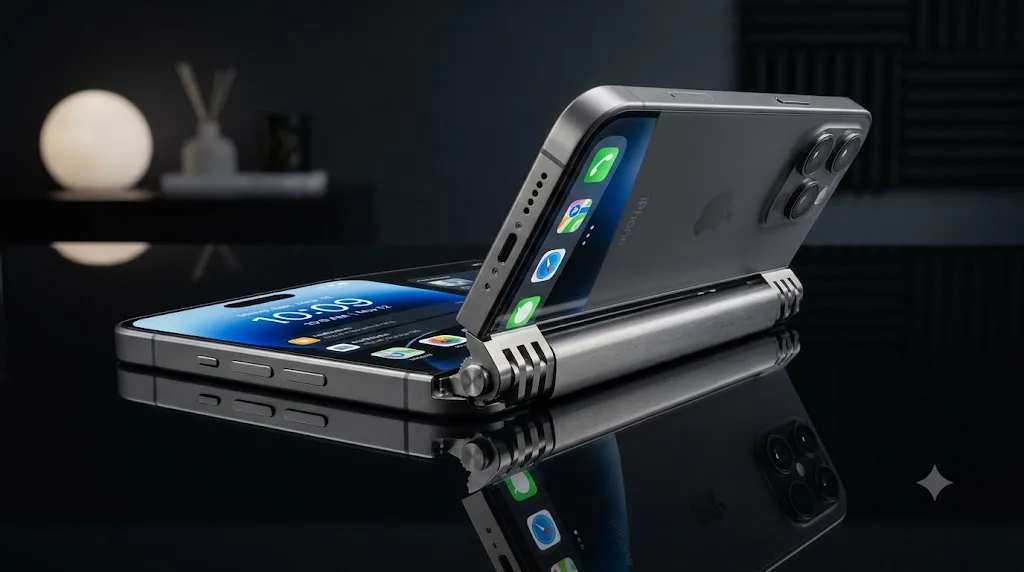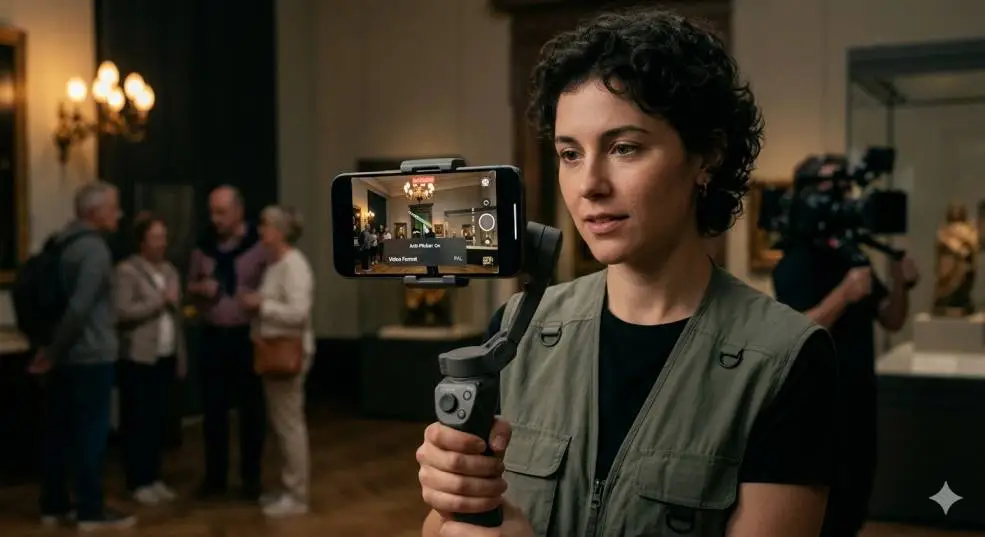
You fair unboxed your new iPhone 17. The sun is setting, the lighting is culminate, and you hit record. But when you play it back, the video is beating. Shadows are throbbing. The light looks like a strobe light at a disco. Frustrating, right?
If you’ve looked for "iPhone 17 video flickering," you are not alone. I ran into this correct issue on a walk last week. Shooting beneath streetlights as they flashed on, the film was about unwatchable.
The great news? It’s once in a while a equipment imperfection. It’s a discussion between your camera sensor and the recurrence of the lights around you. Particularly, it’s a war between NTSC and Buddy standards.
Let me walk you through precisely why this happens, how to settle it utilizing the new Pal support on the iPhone 17, and when you should really stress about the camera hardware.
Why Your iPhone 17 Video is Flickering (The Technical Bit in Plain English)?
To settle the iPhone 17 video flickering, you to begin with have to get it your foe: electricity. In the US, the control lattice runs at 60Hz (cycles per moment).
Read Also: How to Record ProRes RAW on iPhone 17 with External SSD?
In Europe, the UK, and parts of Asia, it runs at 50Hz. Lights—especially cheap LEDs, fluorescent tubes, and indeed streetlights—pulse at these frequencies.
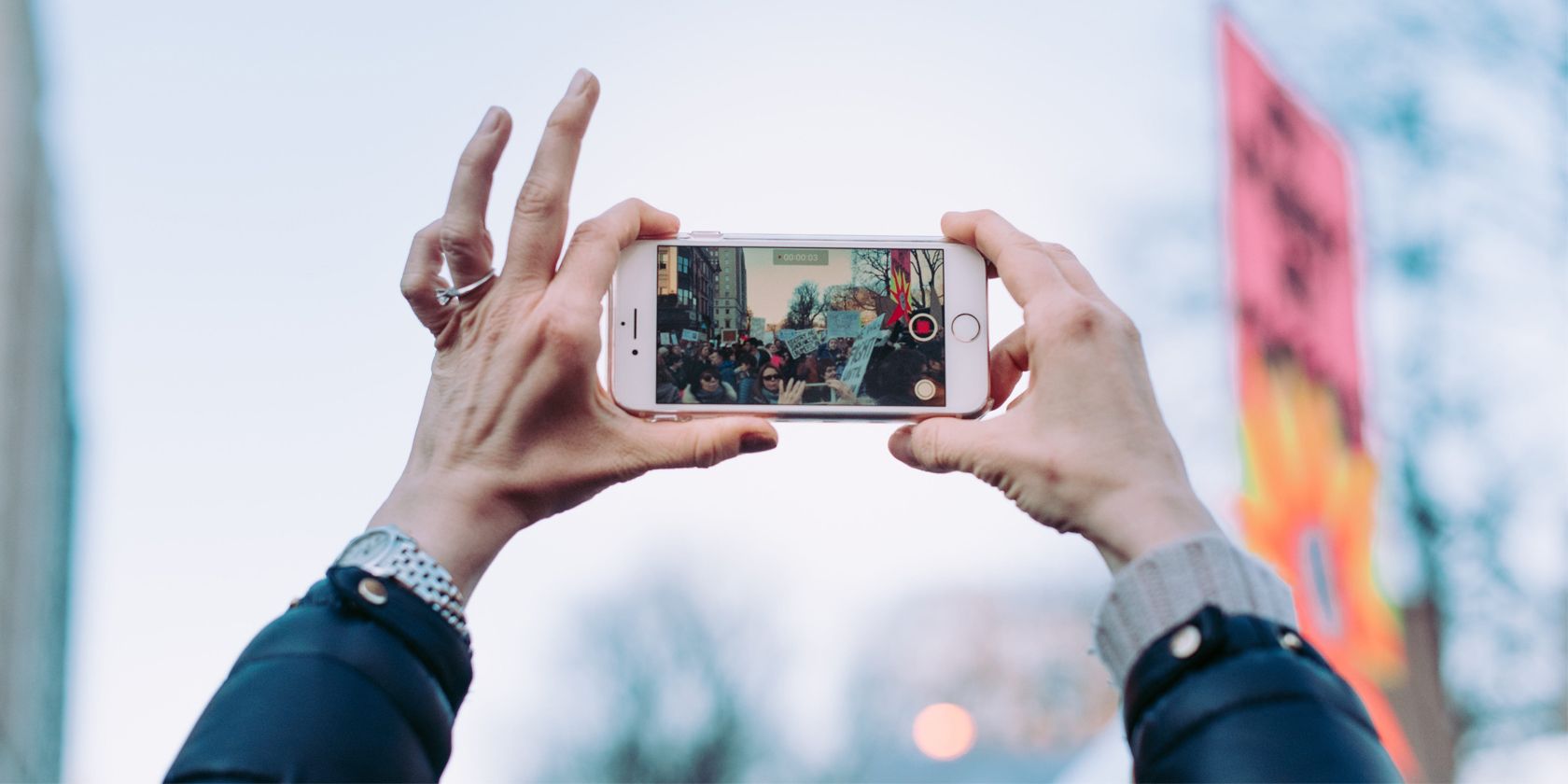
When you shoot video, your iPhone captures outlines at a particular rate. If your shade speed isn't in adjust with the light's beat, you capture the light "off" in a few outlines and "on" in others. The result? That shocking flashing band that moves up and down your screen.
The iPhone 17 Quirk
The iPhone 17 series (specifically iOS 26) introduced more intelligent ways to handle this, but it too requires us to be a bit more hands-on. The default programmed settings sometimes figure off-base, particularly in blended indoor lighting.
Step 1: The "Pal" Trick That Saved My Footage
This is the most noteworthy settle I found whereas testing the iPhone 17 Pro Max camera bug related to glint. If you are traveling or shooting beneath counterfeit light, you require to physically coordinate your outline rate to your neighborhood control framework.
Here is the fix that worked for me:
-
Open Settings.
-
Scroll down to Camera.
-
Tap on Record Video.
-
Look for the PAL options.
On the iPhone 17, Apple has made it easier to select 25 fps (PAL) or 30 fps (NTSC).
-
Shooting in the US or 60Hz countries? Stick to 30 fps or 60 fps.
-
Shooting in Europe/Asia or 50Hz countries? Switch to 25 fps or 50 fps.
I was shooting in a coffee shop in London with warm Edison bulbs. At 60fps, the video flickered like crazy. The moment I switched to 25 fps (PAL), the flicker vanished. The video was smooth, warm, and stable.
Pro Tip: If you are shooting for social media and don't need slow motion, 25/30 fps is your best friend for indoor stability.
Step 2: The Hidden Display Fix (For Screen Flicker, Not Video)
Wait, are you sure the flicker is in the video file or on the screen while you're shooting? There is a massive distinction here. If the flicker is only bothering your eyes while looking at the viewfinder, that is a screen issue, not a recording issue.
For years, OLED iPhones have used PWM (Pulse Width Modulation) to dim the screen. Some people see this as a flicker, causing eye strain.
The iPhone 17 Exclusive Fix: For the first time, Apple included a toggle to kill PWM flicker.
Go to: Settings > Accessibility > Display & Text Size > Scroll to Display Pulse Smoothing.
Turn this on. It changes how the screen dims, eliminating that harsh flicker that causes headaches. It won't fix the recorded video, but it will make the phone usable for you if you are PWM-sensitive.
Step 3: The "Concert Photo" Bug vs. Video Flicker
There is a lot of noise online right now about the iPhone 17 camera failing. You might have seen photos with weird black squares or white squiggly lines.
Heads-up: That is a different bug. Apple confirmed that under extremely bright LED stage lights, the software glitches and creates artifacts. They are patching this.
However, video flickering (the subject of this article) is usually not that bug. If you are seeing the black boxes, update your software. If you are seeing rhythmic pulsing of light, use the PAL settings above.
Honest Pros & Cons: Is the iPhone 17 Camera a Dealbreaker?
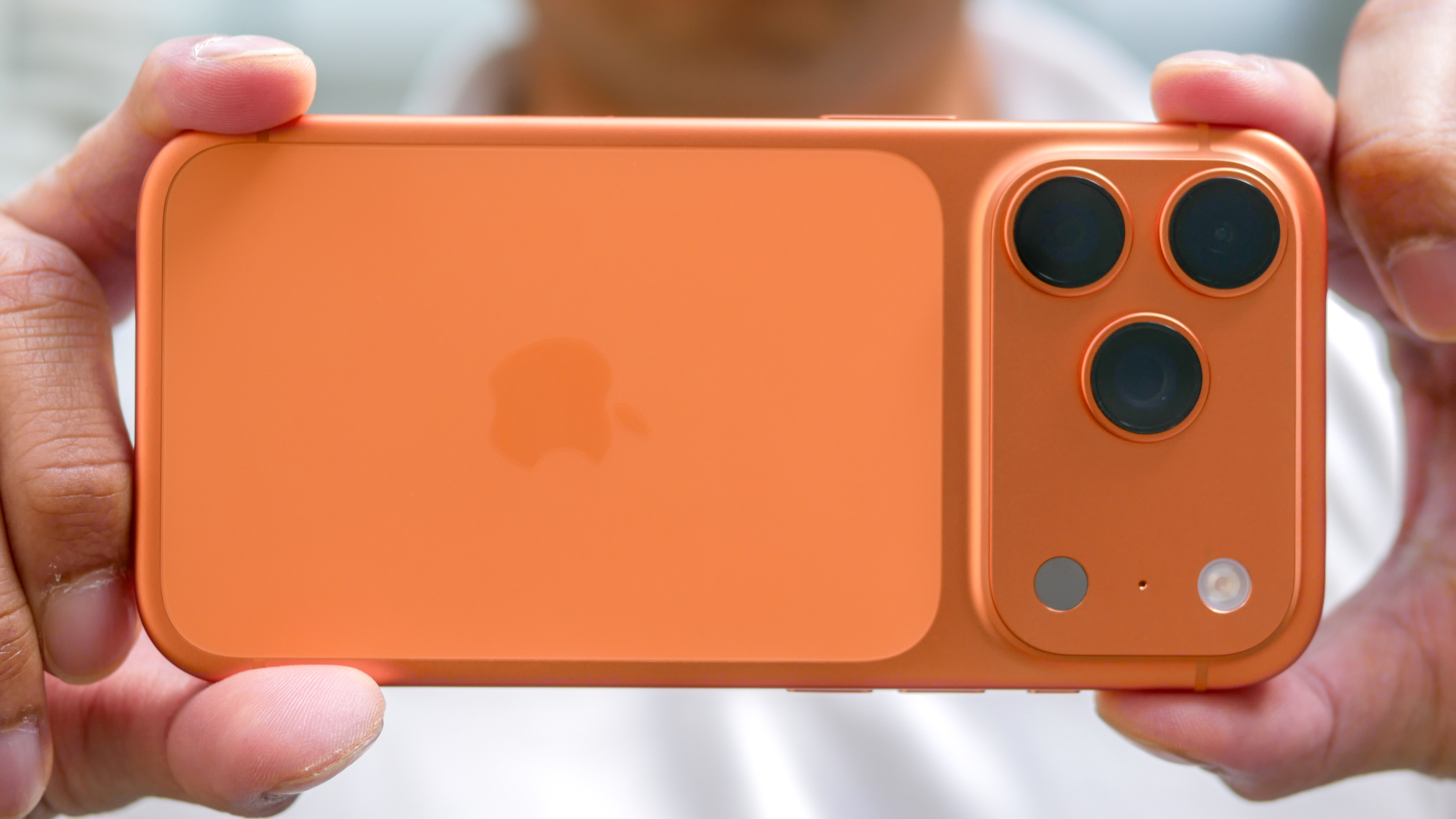
Since you are looking for buying guidance, let’s keep it 100% real. I’ve been using the iPhone 17 Pro Max for two weeks. Here is the truth about the camera flicker situation.
The Good (Pros)
-
The Fix is Easy: Unlike previous iPhones where you needed third-party apps to manually lock shutter speed, the native PAL toggles actually work. Once set, the video is buttery smooth.
-
Display Pulse Smoothing: This is a game-changer for people who get migraines. If you hated the OLED flicker of the iPhone 13/14/15/16, the iPhone 17 finally lets you turn it off.
-
Software Updates are Fast: Apple acknowledged the camera bugs immediately. They are usually good at pushing fixes.
The Bad (Cons)
-
Auto Mode Still Fails: If you leave the camera on full auto and shoot under cheap fluorescent lights, it will flicker. You have to manually intervene.
-
The Confusion Factor: The average user doesn't know what "PAL" or "Hz" means. Apple needs to make this an automatic geolocation-based toggle.
-
The LED Artifact Bug: If you go to concerts, the current bug (black squares) is annoying. It’s rare, but it happens.
Practical Advice to Avoid a Bad Purchase
You want to know if you should return the phone or keep it. Here is my take:
Keep the iPhone 17 IF:
-
You are willing to spend 30 seconds adjusting video settings when you walk indoors.
-
You suffer from eye strain (the new PWM fix is worth the upgrade alone).
-
You shoot video in mixed environments and need reliability.
Return the iPhone 17 IF:
-
You want a "point and shoot" experience with zero tweaks. (Wait for the iOS update to stabilize things).
-
You are a professional videographer shooting under unpredictable stage lighting (you might want to wait for the official bug fix for the LED blackout issue).
FAQ: Answers to Your Burning Questions
Why does my iPhone 17 camera flash as it were under Led lights?
Because LEDs beat at the recurrence of your control framework (50Hz or 60Hz). Your shade speed is out of match up. Switch your video recording to 25 fps (for 50Hz locales) or 30 fps (for 60Hz locales) to cancel it out.
Does the iPhone 17 screen flicker?
It can, due to PWM darkening. In any case, the iPhone 17 is the to begin with model to incorporate a "Display Beat Smoothing" flip in Availability settings to cripple this flicker.
Is the glint a equipment problem?
In 95% of cases, no. It is a software misalignment with manufactured light frequencies. In any case, if the glint happens in wide sunshine outside, contact Apple Support—that might be a equipment sensor issue.
Will Apple settle the camera bugs?
Yes. Apple has as of now affirmed they are mindful of the "Led black square" bug and the common glint issues. They have expressed a settle is coming in an software update.
The Final Thoughts
The iPhone 17 video flickering issue is irritating, but it’s not fatal. Think of it like driving a manual car. The automatic transmission (Auto Video) some of the time jerks. But once you learn to switch to the right equip (PAL/25fps), the drive is inconceivably smooth.
If you are delicate to screen flash, the new Display Pulse Smoothing highlight alone makes the iPhone 17 the best iPhone for your eyes in a long time . For the videographers, fair keep in mind the brilliant run the show: Coordinate your outline rate to your network.
This article provides comprehensive insights about Fixing Video Flicker with PAL Settings on iPhone 17 Guide. Bookmark this page for future reference!